BICSI SDSMD : BCS Practitioner Certificate in Systems Modelling and Development V1.0

  • Exam Code: SDSMD
  • Exam Name: BCS Practitioner Certificate in Systems Modelling and Development V1.0
  • Updated: Nov 19, 2026
  • Q & A: 0 Questions and Answers

We are already working hard to make SDSMD exam material available to our valued customers. If you are interested in SDSMD exam material, provide us your email and we will notify you.

About BICSI SDSMD Exam

Privacy and security

As a reliable platform, we always put our customer's interests in the first place. We are deeply concerned about your privacy and security. First, our SDSMD test engine is safety and virus-free, thus you can rest assured to install BICSI SDSMD real practice torrent on your computer or other electronic device. Besides, we keep our customers' financial data and personal information private and secure, and never share it with the third part without the permission of you. You can search information about the SDSMD BCS Practitioner Certificate in Systems Modelling and Development V1.0 pdf study guide as you like. We will try our best to offer the desired material for you.

Instant Download: Upon successful payment, Our systems will automatically send the product you have purchased to your mailbox by email. (If not received within 12 hours, please contact us. Note: don't forget to check your spam.)

As an aspiring IT candidate, you are must desperate to want to pass SDSMD exam certification under all costs and conditions. While, our SDSMD free practice torrent will not only help you pass your exam, but also save your time and energy at the same time. BICSI Certification SDSMD sure pass torrent is the latest and edited and checked by our professional experts, which always can cover all the topics in the actual test. With our SDSMD exam vce torrent, you will test your knowledge and skills, and know more about the actual test. You will not waste much time on several times for test. One time pass with BICSI SDSMD free download dumps is the guarantee for all of you.

Free Download SDSMD Exam Torrent

SDSMD test engine for sure pass

The SDSMD test engine provides you with a virtual examination environment, which further helps you to be more familiar with the SDSMD actual test. The SDSMD test engine comes with many features which save your time for other training classes. With the SDSMD real questions & answers, you will easily memorizing the important concepts, and will feel as you are in the actual test. It is very good to experience the simulate environment in advance. Besides, at the end of each test the result will be declared along with the mistakes, so that you can know your weakness and strengthen about SDSMD BCS Practitioner Certificate in Systems Modelling and Development V1.0 actual test, then make the detail study plan for further learning. In addition, when you receive our SDSMD exam vce torrent, you can download it with the computer, and then install it on your phone or other device. It is very convenient to study with our SDSMD sure pass torrent.

SDSMD free practice torrent

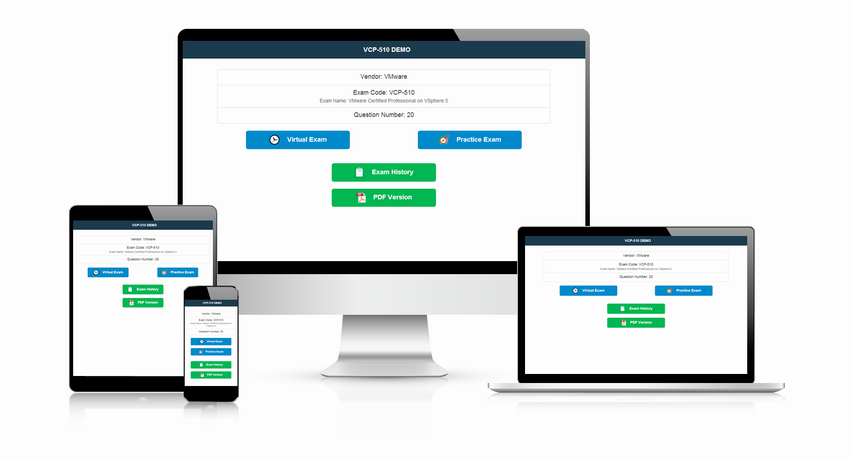
Our SDSMD free practice torrent is available for all of you. Simply download SDSMD free pdf demo and get the practice questions. The demo questions are part of the complete dumps. With our SDSMD free download dumps you can determine whether the SDSMD real questions & answers are worth your time and investment or not. The SDSMD free pdf demo support to be printed, while if you want the SDSMD test simulator for reference, we can provide you the screenshot about the practice format. If you buy the dumps from other vendors and get the unhappy result, and want to make sure the validity of our BICSI Certification SDSMD exam vce torrent, you can send your dumps to us, then we can check and compare them and tell you our dumps is worthy buying or not.

BICSI SDSMD Exam Syllabus Topics:

SectionWeightObjectives
Topic 1: Event / Dynamic Modelling15%- Explain how timing diagrams show changes in state over time
  • 1. Relationships between timing diagrams and other models
    • 2. Changes in object states over time
      • 3. Timing diagrams
        - Discuss the behaviour of a single object and compound states
        • 1. State machine diagrams
          • 2. Atomic, sequential, and composite states
            • 3. Compound states
              • 4. Object behaviour
                Topic 2: Data Modelling15%- Analyse class diagrams, interfaces, tables, associations, and generalisations
                • 1. Associations
                  • 2. Generalisations
                    • 3. Aggregation
                      • 4. Interfaces
                        • 5. Inheritance
                          • 6. Visibility
                            - Describe issues related to mapping relational table structures and models
                            • 1. Mapping challenges and limitations
                              • 2. Representing model elements in relational databases
                                • 3. Methods of mapping class models to relational structures
                                  • 4. Persistent and transient classes
                                    - Identify the main elements of class diagrams, classes, attributes, and behaviours
                                    • 1. Classes
                                      • 2. Attributes
                                        • 3. Behaviours
                                          • 4. Instances
                                            Topic 3: Systems Development Lifecycles20%- Explain the concepts of initial software lifecycles
                                            • 1. Waterfall
                                              • 2. Iterative development
                                                • 3. Phased delivery
                                                  • 4. SSADM version 4 and later
                                                    • 5. Agile
                                                      - Discuss the Agile approach and the Agile Manifesto
                                                      • 1. Agile events and sprint backlogs
                                                        • 2. Scrum
                                                          • 3. The 12 Agile principles
                                                            • 4. The four Agile values
                                                              • 5. Show and tell
                                                                - Discuss the key elements of Rapid Application Development and their use in Agile projects
                                                                • 1. Joint Requirements Planning
                                                                  • 2. Parallel development
                                                                    • 3. Timeboxing
                                                                      • 4. Joint Application Design
                                                                        - Analyse scenarios and apply appropriate systems development lifecycles
                                                                        • 1. Data-centric approaches
                                                                          • 2. Project size, budget, existing processes, and regulatory considerations
                                                                            • 3. User-centred approaches
                                                                              • 4. Political and organisational considerations
                                                                                • 5. Selection of SSADM, Agile, RAD, Soft Systems, and Waterfall
                                                                                  - Explain spiral, iterative, and incremental development styles
                                                                                  • 1. Risk-driven development
                                                                                    • 2. Time-driven development
                                                                                      • 3. Application to simple and complex scenarios
                                                                                        • 4. Rollback, risk management, and delivery considerations
                                                                                          Topic 4: Methods10%- Discuss the structure and content of a chosen method or methodology
                                                                                          • 1. Framework structure and deliverables
                                                                                            • 2. Systems development lifecycle frameworks
                                                                                              • 3. Method phases and their sequence
                                                                                                - Discuss the impacts of design decisions
                                                                                                • 1. Interoperability
                                                                                                  • 2. Supportability
                                                                                                    • 3. Cognitive bias
                                                                                                      • 4. Accessibility
                                                                                                        • 5. Impact of design decisions on cost and project outcomes
                                                                                                          - Explain issues with converting a logical model into physical development
                                                                                                          • 1. Sequence of development events
                                                                                                            • 2. Limitations of logical models
                                                                                                              • 3. Mitigation of logical-to-physical translation challenges
                                                                                                                • 4. Systems development lifecycle considerations
                                                                                                                  • 5. Reserved words
                                                                                                                    • 6. Inconsistent mapping
                                                                                                                      Topic 5: Introduction10%- Describe typical team structures for computing-related projects
                                                                                                                      • 1. Mapping team structures to Agile
                                                                                                                        • 2. Matrix versus hierarchical team structures
                                                                                                                          - Discuss relevant legal and ethical considerations in computing projects
                                                                                                                          • 1. BCS Code of Conduct
                                                                                                                            • 2. Legal considerations
                                                                                                                              • 3. Copyright
                                                                                                                                • 4. Licensing
                                                                                                                                  • 5. Ethical considerations
                                                                                                                                    - Identify the actors, roles, and responsibilities within system development
                                                                                                                                    • 1. Analysts, designers, developers, testers, and technical architects
                                                                                                                                      - Explain the differences between a business analyst and a systems analyst
                                                                                                                                      • 1. Business and IT interface
                                                                                                                                        • 2. Technical and IT-focused responsibilities
                                                                                                                                          Topic 6: Development Practices10%- Describe the merits of various types of prototyping
                                                                                                                                          • 1. Incremental prototyping
                                                                                                                                            • 2. Throwaway prototyping
                                                                                                                                              • 3. Evolutionary prototyping
                                                                                                                                                • 4. Benefits and appropriate applications of prototyping
                                                                                                                                                  - Discuss hybrid approaches to systems modelling and development
                                                                                                                                                  • 1. Implementation time and delivery constraints
                                                                                                                                                    • 2. Benefits and disadvantages of hybrid approaches
                                                                                                                                                      • 3. Combining elements of Waterfall and Agile
                                                                                                                                                        - Analyse bespoke and off-the-shelf development practices
                                                                                                                                                        • 1. Advantages and disadvantages of bespoke solutions
                                                                                                                                                          • 2. Cost, implementation time, and delivery considerations
                                                                                                                                                            • 3. Legacy systems, available skills, and risk management
                                                                                                                                                              • 4. Advantages and disadvantages of commercial off-the-shelf solutions
                                                                                                                                                                Topic 7: Process Modelling20%- Apply knowledge of use cases to identify actors, roles, and interactions
                                                                                                                                                                • 1. Interactions between actors and external systems
                                                                                                                                                                  • 2. Use case diagrams
                                                                                                                                                                    • 3. Actors and roles
                                                                                                                                                                      - Describe the main elements of sequence diagrams
                                                                                                                                                                      • 1. Purpose, applications, and benefits
                                                                                                                                                                        • 2. Standardised notation
                                                                                                                                                                          • 3. Sequence diagrams
                                                                                                                                                                            - Describe the main elements of activity diagrams and the flow of actions
                                                                                                                                                                            • 1. Fork nodes
                                                                                                                                                                              • 2. Start nodes
                                                                                                                                                                                • 3. Purpose and benefits of activity diagrams
                                                                                                                                                                                  • 4. End nodes
                                                                                                                                                                                    • 5. Business processes
                                                                                                                                                                                      • 6. Activity and action nodes

                                                                                                                                                                                        0 Customer ReviewsCustomers Feedback (* Some similar or old comments have been hidden.)

                                                                                                                                                                                        LEAVE A REPLY

                                                                                                                                                                                        Your email address will not be published. Required fields are marked *

                                                                                                                                                                                        Quality and Value

                                                                                                                                                                                        Free4Torrent Practice Exams are written to the highest standards of technical accuracy, using only certified subject matter experts and published authors for development - no all study materials.

                                                                                                                                                                                        Tested and Approved

                                                                                                                                                                                        We are committed to the process of vendor and third party approvals. We believe professionals and executives alike deserve the confidence of quality coverage these authorizations provide.

                                                                                                                                                                                        Easy to Pass

                                                                                                                                                                                        If you prepare for the exams using our Free4Torrent testing engine, It is easy to succeed for all certifications in the first attempt. You don't have to deal with all dumps or any free torrent / rapidshare all stuff.

                                                                                                                                                                                        Try Before Buy

                                                                                                                                                                                        Free4Torrent offers free demo of each product. You can check out the interface, question quality and usability of our practice exams before you decide to buy.