ASCP MLT : Medical Laboratory Technician

  • Exam Code: MLT
  • Exam Name: Medical Laboratory Technician
  • Updated: Nov 22, 2026
  • Q & A: 0 Questions and Answers

We are already working hard to make MLT exam material available to our valued customers. If you are interested in MLT exam material, provide us your email and we will notify you.

About ASCP MLT Exam

Privacy and security

As a reliable platform, we always put our customer's interests in the first place. We are deeply concerned about your privacy and security. First, our MLT test engine is safety and virus-free, thus you can rest assured to install ASCP MLT real practice torrent on your computer or other electronic device. Besides, we keep our customers' financial data and personal information private and secure, and never share it with the third part without the permission of you. You can search information about the MLT Medical Laboratory Technician pdf study guide as you like. We will try our best to offer the desired material for you.

Instant Download: Upon successful payment, Our systems will automatically send the product you have purchased to your mailbox by email. (If not received within 12 hours, please contact us. Note: don't forget to check your spam.)

MLT free practice torrent

Our MLT free practice torrent is available for all of you. Simply download MLT free pdf demo and get the practice questions. The demo questions are part of the complete dumps. With our MLT free download dumps you can determine whether the MLT real questions & answers are worth your time and investment or not. The MLT free pdf demo support to be printed, while if you want the MLT test simulator for reference, we can provide you the screenshot about the practice format. If you buy the dumps from other vendors and get the unhappy result, and want to make sure the validity of our ASCP Certification MLT exam vce torrent, you can send your dumps to us, then we can check and compare them and tell you our dumps is worthy buying or not.

As an aspiring IT candidate, you are must desperate to want to pass MLT exam certification under all costs and conditions. While, our MLT free practice torrent will not only help you pass your exam, but also save your time and energy at the same time. ASCP Certification MLT sure pass torrent is the latest and edited and checked by our professional experts, which always can cover all the topics in the actual test. With our MLT exam vce torrent, you will test your knowledge and skills, and know more about the actual test. You will not waste much time on several times for test. One time pass with ASCP MLT free download dumps is the guarantee for all of you.

Free Download MLT Exam Torrent

MLT test engine for sure pass

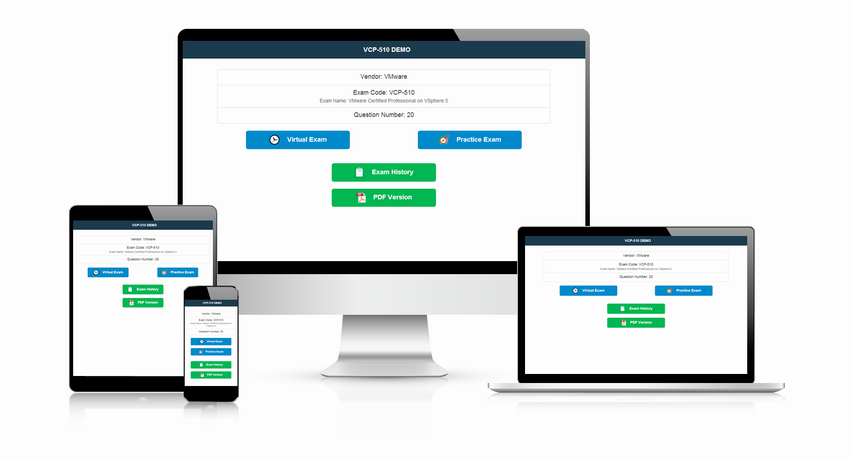
The MLT test engine provides you with a virtual examination environment, which further helps you to be more familiar with the MLT actual test. The MLT test engine comes with many features which save your time for other training classes. With the MLT real questions & answers, you will easily memorizing the important concepts, and will feel as you are in the actual test. It is very good to experience the simulate environment in advance. Besides, at the end of each test the result will be declared along with the mistakes, so that you can know your weakness and strengthen about MLT Medical Laboratory Technician actual test, then make the detail study plan for further learning. In addition, when you receive our MLT exam vce torrent, you can download it with the computer, and then install it on your phone or other device. It is very convenient to study with our MLT sure pass torrent.

ASCP MLT Exam Syllabus Topics:

SectionWeightObjectives
Chemistry20-25%- Special Chemistry
  • 1. Endocrinology, steroid hormones, peptide hormones, thyroid hormones, and catecholamines
    • 2. Therapeutic drug monitoring, pharmacokinetics, therapeutic ranges, and toxicity
      • 3. Toxicology, alcohols, heavy metals, analgesics, and drugs of abuse
        • 4. Immunoassays, analytical procedures, specimen requirements, and disease-state correlation
          • 5. Vitamins, nutrition, metabolism, and nutritional disorders
            - Proteins and Enzymes
            • 1. Tumor markers, cardiac markers, renal clearances, and disease correlation
              • 2. Enzymes including LD, CK, AST, ALT, GGT, lipase, amylase, and alkaline phosphatase
                • 3. Proteins, amino acids, urea, uric acid, creatinine, and ammonia
                  - Acid-Base, Blood Gases, and Electrolytes
                  • 1. Electrolyte calculations, osmolality, anion gap, and result interpretation
                    • 2. Acid-base physiology, pH, the Henderson-Hasselbalch equation, and gas transport
                      • 3. Sodium, potassium, chloride, bicarbonate, calcium, magnesium, phosphorus, iron, and trace elements
                        • 4. Blood gas analysis and interpretation
                          - General Chemistry
                          • 1. Specimen collection, processing, analytical principles, interferences, and result interpretation
                            • 2. Lipids, lipoproteins, phospholipids, triglycerides, cholesterol, and apolipoproteins
                              • 3. Heme derivatives, hemoglobin, bilirubin, urobilinogen, and myoglobin
                                • 4. Carbohydrates, glucose metabolism, glucose tolerance testing, and glycated proteins
                                  Microbiology15-20%- Preanalytic Procedures
                                  • 1. Specimen quality, contamination prevention, and laboratory safety
                                    • 2. Specimen collection, transport, processing, and rejection criteria
                                      - Mycobacteriology
                                      • 1. Specimen processing, staining, culture, and identification of mycobacteria
                                        • 2. Tuberculosis and other clinically significant mycobacterial infections
                                          - Mycology
                                          • 1. Clinically significant fungal infections
                                            • 2. Fungal culture, microscopy, and diagnostic testing
                                              • 3. Fungal morphology, classification, and identification
                                                - Bacteriology
                                                • 1. Bacterial morphology, classification, staining, and identification
                                                  • 2. Antimicrobial susceptibility testing and resistance mechanisms
                                                    • 3. Clinically significant bacteria and disease associations
                                                      • 4. Culture media, growth characteristics, and biochemical identification
                                                        - Virology
                                                        • 1. Clinically significant viral infections and diagnostic methods
                                                          • 2. Viral detection, identification, and molecular testing
                                                            • 3. Viral structure, classification, and replication
                                                              - Postanalytic Procedures
                                                              • 1. Quality control, result verification, and communication of critical findings
                                                                • 2. Interpretation and reporting of microbiology results
                                                                  - Parasitology
                                                                  • 1. Identification of medically important parasites and their life cycles
                                                                    • 2. Microscopic examination, specimen selection, and diagnostic methods
                                                                      Laboratory Operations5-10%- Instrumentation
                                                                      • 1. Laboratory information systems and result management
                                                                        • 2. Instrument calibration, troubleshooting, and performance monitoring
                                                                          • 3. Instrument principles, operation, and maintenance
                                                                            - Manual and Automated Methodology
                                                                            • 1. Preanalytic, analytic, and postanalytic sources of error
                                                                              • 2. Manual testing procedures and automated analytical systems
                                                                                • 3. Analytical principles, method selection, and specimen handling
                                                                                  - Laboratory Mathematics
                                                                                  • 1. Reference intervals, sensitivity, specificity, and analytical performance
                                                                                    • 2. Unit conversions, calculations, and statistical concepts
                                                                                      • 3. Dilutions, concentrations, ratios, and solution preparation
                                                                                        - Laboratory Safety
                                                                                        • 1. Biological, chemical, and physical hazards
                                                                                          • 2. Regulatory compliance, laboratory ethics, and patient confidentiality
                                                                                            • 3. Personal protective equipment, infection control, and waste disposal
                                                                                              - Quality Assessment and Troubleshooting
                                                                                              • 1. Quality control, quality assurance, and quality improvement
                                                                                                • 2. Troubleshooting analytical errors and evaluating quality indicators
                                                                                                  • 3. Calibration, verification, validation, and proficiency testing
                                                                                                    Hematology20-25%- Hematology Disease States
                                                                                                    • 1. Microcytic, normocytic, and macrocytic anemias
                                                                                                      • 2. Thrombocytopenia, thrombocytosis, and qualitative platelet disorders
                                                                                                        • 3. Acute and chronic leukemia, myelodysplastic syndromes, myeloproliferative neoplasms, and lymphomas
                                                                                                          • 4. Benign leukocyte disorders and myeloid and lymphoid neoplasms
                                                                                                            • 5. Erythrocytosis and hereditary erythrocyte disorders
                                                                                                              • 6. Iron deficiency, thalassemia, hemolytic anemia, and hemoglobinopathies
                                                                                                                - Hematology Physiology
                                                                                                                • 1. Blood, body fluid, and bone marrow physiology
                                                                                                                  • 2. Blood cell production, destruction, and function
                                                                                                                    - Hematology Laboratory Testing
                                                                                                                    • 1. Differential counts, blood cell morphology, and body fluid examination
                                                                                                                      • 2. Hemoglobin, hematocrit, red cell indices, and hemolytic indicators
                                                                                                                        • 3. Manual and automated cell counts, reticulocytes, and spurious results
                                                                                                                          • 4. Special stains, erythrocyte studies, ESR, and G6PD testing
                                                                                                                            • 5. Flow cytometry, immunophenotyping, molecular testing, and cytogenetics
                                                                                                                              - Hemostasis
                                                                                                                              • 1. Inherited and acquired coagulation factor deficiencies, hypercoagulability, and disseminated intravascular coagulation
                                                                                                                                • 2. Coagulation pathways, fibrinolysis, and vascular physiology
                                                                                                                                  • 3. Platelet function, protein C and S, factor V Leiden, prothrombin mutations, and anti-Xa testing
                                                                                                                                    • 4. PT/INR, APTT, fibrinogen, D-dimer, thrombin time, and mixing studies
                                                                                                                                      Blood Banking15-20%- Blood Group Systems
                                                                                                                                      • 1. Blood group genetics, molecular genetics, and inheritance
                                                                                                                                        • 2. Antigen prevalence, immunogenicity, and clinical significance in transfusion
                                                                                                                                          • 3. ABO, Rh, Lewis, MNS, Kell, Kidd, Duffy, Lutheran, and other blood group antigens
                                                                                                                                            - Serologic and Molecular Testing
                                                                                                                                            • 1. Leukocyte and platelet testing and quality assurance
                                                                                                                                              • 2. ABO and Rh typing, antibody screening, antibody identification, and compatibility testing
                                                                                                                                                • 3. Direct antiglobulin testing, crossmatching, and reagent selection
                                                                                                                                                  • 4. Enzymes, enhancement media, adsorption, elution, titration, and molecular techniques
                                                                                                                                                    - Transfusion Practice
                                                                                                                                                    • 1. Immunologic and nonimmunologic transfusion reactions
                                                                                                                                                      • 2. Transfusion-transmitted diseases, apheresis, and blood administration
                                                                                                                                                        • 3. Transfusion indications and component therapy
                                                                                                                                                          - Physiology and Pathophysiology
                                                                                                                                                          • 1. Blood circulation, volume, composition, function, cell survival, and metabolism
                                                                                                                                                            • 2. Hemolytic disease of the fetus and newborn and immune and nonimmune hemolytic anemias
                                                                                                                                                              • 3. Hemostasis, coagulation factors, and platelet disorders
                                                                                                                                                                • 4. Solid organ and hematopoietic progenitor cell transplantation
                                                                                                                                                                  - Blood Group Immunology
                                                                                                                                                                  • 1. Immune responses, B cells, T cells, macrophages, and immunoglobulins
                                                                                                                                                                    • 2. Antigen-antibody interactions and serologic testing principles
                                                                                                                                                                      • 3. Complement pathways and biologic properties
                                                                                                                                                                        - Blood Products
                                                                                                                                                                        • 1. Blood product processing, testing, labeling, storage, transportation, and expiration
                                                                                                                                                                          • 2. Blood components, component therapy, and quality control
                                                                                                                                                                            • 3. Donor qualification, collection methods, adverse reactions, and special donations
                                                                                                                                                                              Urinalysis and Other Body Fluids5-10%- Other Body Fluids
                                                                                                                                                                              • 1. Physical, chemical, and microscopic examination
                                                                                                                                                                                • 2. Physiology and disease-state correlation
                                                                                                                                                                                  • 3. Cerebrospinal, amniotic, synovial, serous, and other body fluids
                                                                                                                                                                                    - Urinalysis
                                                                                                                                                                                    • 1. Physical examination, color, clarity, specific gravity, and osmolality
                                                                                                                                                                                      • 2. Microscopic examination of cells, casts, crystals, microorganisms, contaminants, and artifacts
                                                                                                                                                                                        • 3. Chemical examination, reagent strips, and confirmatory tests
                                                                                                                                                                                          • 4. Renal physiology and disease states
                                                                                                                                                                                            Immunology5-10%- Principles of Immunology
                                                                                                                                                                                            • 1. Innate and adaptive immunity, immune cells, antibodies, and complement
                                                                                                                                                                                              • 2. Antigens, antigen-antibody reactions, and immune response mechanisms
                                                                                                                                                                                                - Infectious Disease Serology
                                                                                                                                                                                                • 1. Antibody and antigen detection and interpretation of serologic results
                                                                                                                                                                                                  • 2. Serologic diagnosis of bacterial, viral, and other infectious diseases
                                                                                                                                                                                                    - Serologic Procedures and Testing
                                                                                                                                                                                                    • 1. Analytical methods, controls, interferences, and quality assurance
                                                                                                                                                                                                      • 2. Agglutination, precipitation, immunofluorescence, and immunoassays
                                                                                                                                                                                                        • 3. Interpretation of test results and clinical correlation
                                                                                                                                                                                                          - Diseases of the Immune System
                                                                                                                                                                                                          • 1. Autoimmune diseases and systemic immune disorders
                                                                                                                                                                                                            • 2. Transplantation immunology and immune-related disease processes
                                                                                                                                                                                                              • 3. Immunodeficiency and hypersensitivity reactions

                                                                                                                                                                                                                0 Customer ReviewsCustomers Feedback (* Some similar or old comments have been hidden.)

                                                                                                                                                                                                                LEAVE A REPLY

                                                                                                                                                                                                                Your email address will not be published. Required fields are marked *

                                                                                                                                                                                                                Quality and Value

                                                                                                                                                                                                                Free4Torrent Practice Exams are written to the highest standards of technical accuracy, using only certified subject matter experts and published authors for development - no all study materials.

                                                                                                                                                                                                                Tested and Approved

                                                                                                                                                                                                                We are committed to the process of vendor and third party approvals. We believe professionals and executives alike deserve the confidence of quality coverage these authorizations provide.

                                                                                                                                                                                                                Easy to Pass

                                                                                                                                                                                                                If you prepare for the exams using our Free4Torrent testing engine, It is easy to succeed for all certifications in the first attempt. You don't have to deal with all dumps or any free torrent / rapidshare all stuff.

                                                                                                                                                                                                                Try Before Buy

                                                                                                                                                                                                                Free4Torrent offers free demo of each product. You can check out the interface, question quality and usability of our practice exams before you decide to buy.